
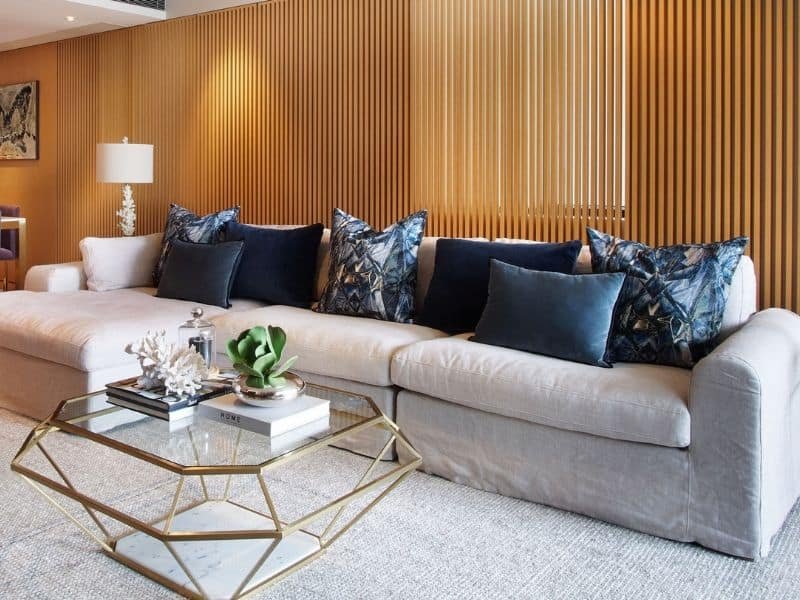
How to Style Your Apartment Without Overwhelming It
When you live in a small apartment, decorating can feel like walking a tightrope. You want to add personality and visual interest without creating clutter or chaos. That’s where the magic of mixing patterns and textures comes in. When done right, this design approach can make your apartment feel intentional, layered, and stylish—without taking up any additional square footage.
In this article, we’ll explore how renters can thoughtfully blend patterns and textures to transform small spaces into cozy, dynamic homes. No knocking down walls required.
Why Patterns and Textures Matter in Small Apartments
Small apartments can sometimes feel flat or boxy, especially if you’re working with builder-grade finishes and neutral tones. Patterns (like stripes, florals, or geometrics) bring energy and movement to a space, while textures (like velvet, jute, or linen) add depth and tactile richness. Together, they can make even the most compact studio feel layered and luxurious.
Even if your apartment comes with restrictions (no painting, no drilling), you can still use soft furnishings and creative solutions to work around those limitations and inject life into your interiors.
Rule #1: Start with a Base Palette
Before diving into patterns and textures, choose a color palette that sets the tone for your space. In small apartments, sticking to 3-4 main colors—including a neutral—can help tie everything together without overwhelming the eye.
For example, you might go with:
-
A base of soft grey or beige
-
A bold accent like mustard or navy
-
A secondary color for contrast (e.g., rust or emerald)
-
White or cream as a light, unifying backdrop
Once you have a palette, use it as your guide for selecting patterns and materials. This creates cohesion even when mixing different elements.
Rule #2: Vary Pattern Scales
Mixing patterns can go wrong quickly if everything competes for attention. The key to balance? Varying the scale of your patterns.
Think of it like this:
-
Large-scale patterns (e.g., oversized florals, bold stripes) should serve as statement pieces—like a rug or accent wall.
-
Medium-scale patterns can appear in curtains, bedding, or larger throw pillows.
-
Small-scale patterns add subtle detail in dish towels, decorative trays, or artwork.
Layering patterns in different scales prevents visual overload and makes the room feel more curated than chaotic.
Rule #3: Use Texture to Ground the Room
In tight quarters, texture can be even more impactful than color. A textured object doesn’t just look good—it engages your sense of touch and helps the space feel lived-in and personal.
Here are renter-friendly ways to incorporate texture:
-
Throw blankets in chunky knit or faux fur
-
Pillows in velvet, bouclé, or woven cotton
-
Natural rugs in jute or sisal
-
Curtains in linen or gauzy cotton
-
Wall hangings like woven macramé or tapestries with fringe
If you’re worried about making a small room feel busy, lean into tone-on-tone texture. For example, pair a white waffle-knit throw with a white linen pillow. You get depth without a color clash.
Rule #4: Anchor Patterns with Solids
When layering multiple patterns—like stripes, dots, and florals—it’s essential to give the eye somewhere to rest. That’s where solid-colored pieces come in. These grounding elements help balance the visual noise and make the patterns pop.
Use solids for:
-
The main sofa or headboard
-
Area rugs or bedding foundations
-
Large curtains
-
Storage bins and baskets
Solid pieces in neutral or muted tones can give your patterns space to breathe, especially in open-plan apartment layouts.
Rule #5: Try the “Pattern Pop” Approach
If you’re nervous about mixing too much, start small with a pattern pop. Choose one dominant pattern and let it shine while keeping everything else understated. This is a great trick for renters who don’t want to commit to major design changes.
Examples:
-
A bold Moroccan-print rug in an otherwise neutral living room
-
A floral bedspread paired with simple curtains and minimal art
-
A gallery wall of graphic black-and-white prints above a plain couch
These simple swaps allow you to experiment without overwhelming your apartment or breaking your lease agreement.
Bonus Tip: Use Removable Décor
As a renter, you may not have the freedom to paint walls or install built-in shelving, but there are plenty of temporary décor hacks that let you play with pattern and texture:
-
Peel-and-stick wallpaper adds major visual interest and is easy to remove
-
Removable tile decals for kitchen backsplashes or bathroom floors
-
Contact paper on countertops or furniture for an updated look
-
Fabric panels hung as tapestries or faux headboards
Many retailers now cater specifically to renters with stylish, reversible products. These let you express your design taste without sacrificing your security deposit.
In Summary: A Stylish Small Space is All in the Details
Mixing patterns and textures in a small apartment isn’t just possible—it’s the secret to making your home feel warm, personal, and polished. With a thoughtful approach to color, scale, and contrast, you can turn even the smallest space into a design-forward haven.
Here’s a quick recap:
-
Choose a cohesive color palette
-
Layer patterns in different scales
-
Incorporate rich, tactile textures
-
Ground busy patterns with solids
-
Start small and build up
-
Use renter-friendly, removable décor
Whether you’re living in a tiny studio or a cozy one-bedroom, your apartment deserves to feel like home—and that starts with the layers you build.
Want more apartment decorating tips? Check out renter-friendly design ideas and small-space solutions on your favorite home design blogs—or just follow your creative instincts. After all, it’s your space—make it reflect you.
https://shorturl.fm/iFIjV